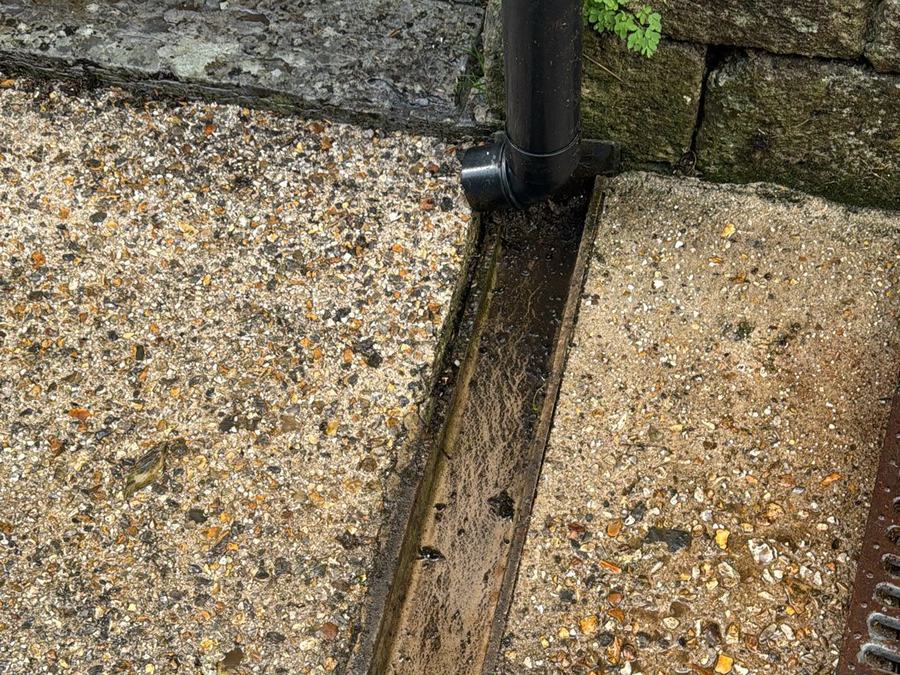
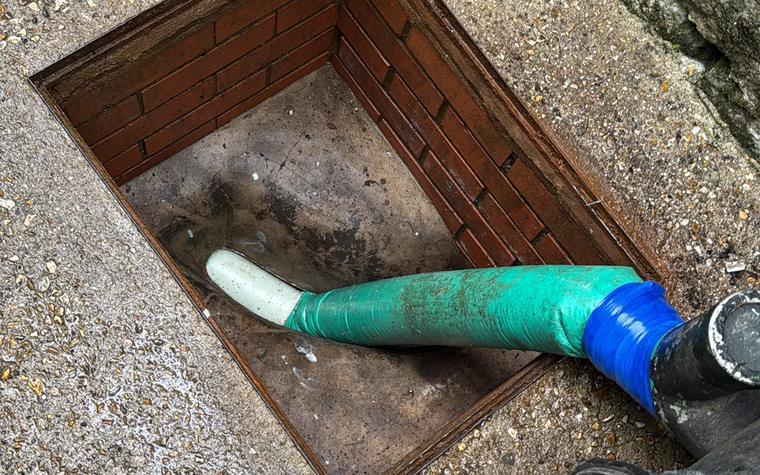
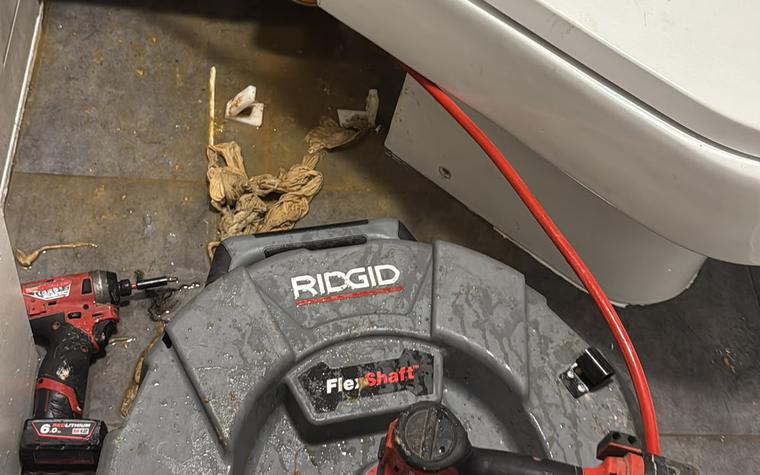
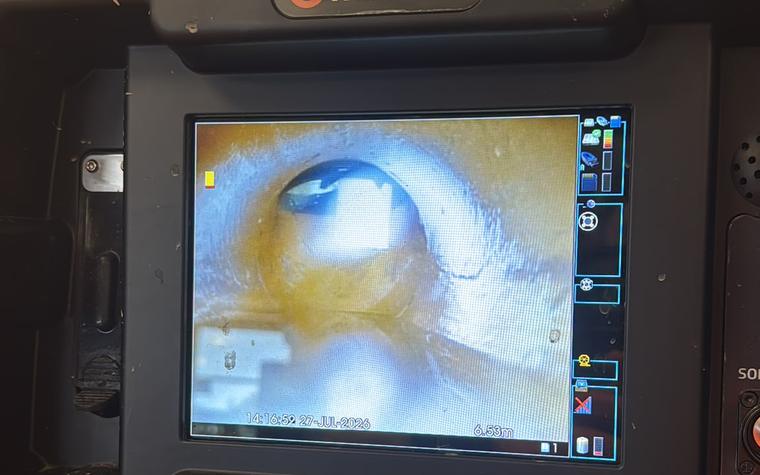
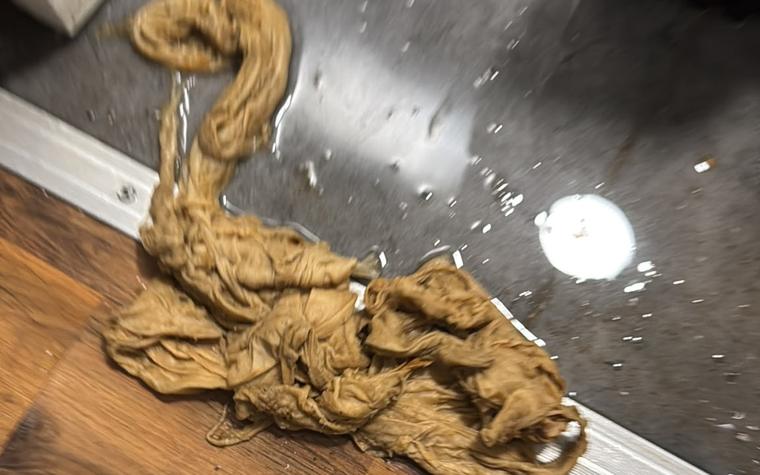
Lyndhurst is in the Forest, which means trees close to the runs and root ingress as a matter of routine. Drain clearance, CCTV surveys, jetting, gullies and repairs in Lyndhurst, with the camera down the run so you see what we found.

Lyndhurst sits in and around the Forest with mature trees close to nearly every run, so root ingress through an old joint is routine rather than unusual, and a drain that clears and re-blocks each year is normally telling you exactly that. In practice most of what we are called out to in Lyndhurst is blocked drains, with everything else on the list available alongside it.

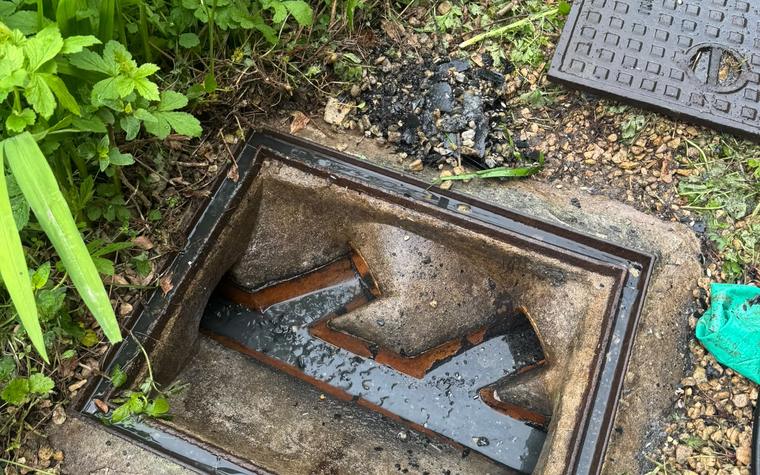
Outside drains, chambers and soil stacks cleared, inside or out.
Read more
Rodded, jetted and flushing again before we pack up.
Read more
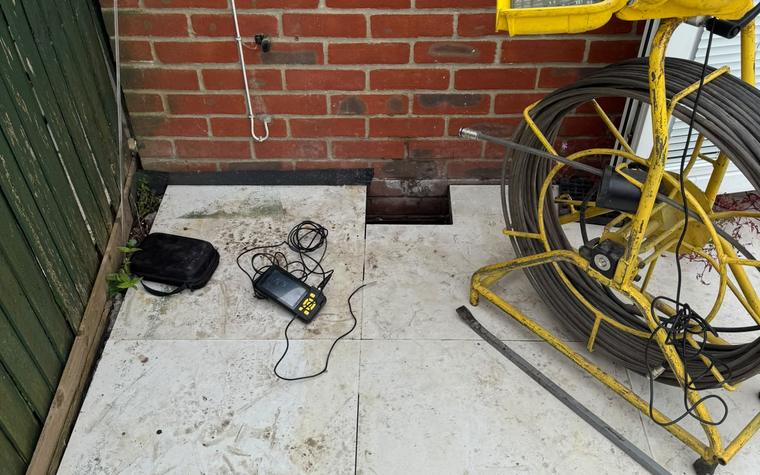
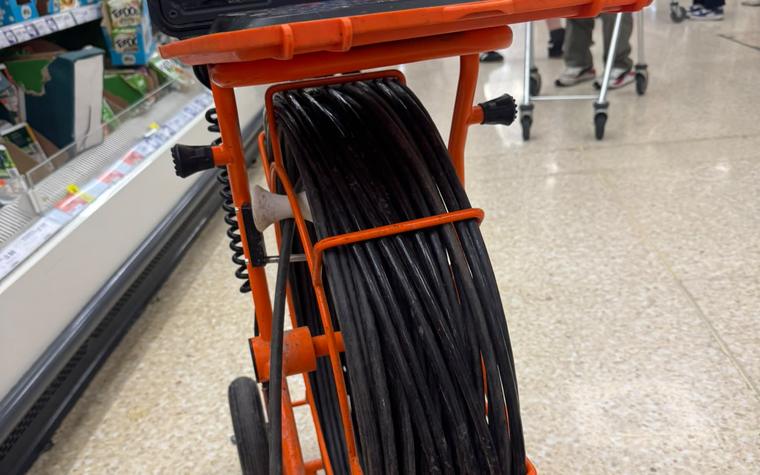
Camera down the run, recorded, so you see what we see.
Read more
Fat, silt and scale washed off the pipe wall.
Read more
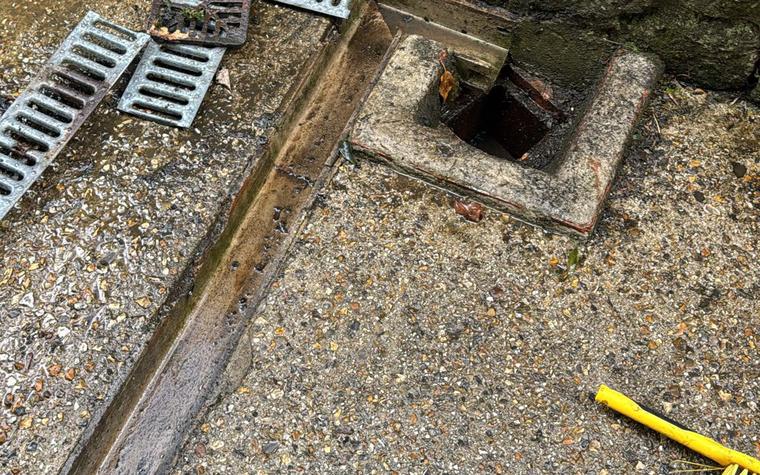
Yard, alley and driveway drains dug out and running.
Read more
Cracked, collapsed and displaced pipe located, dug and put right.
Read more
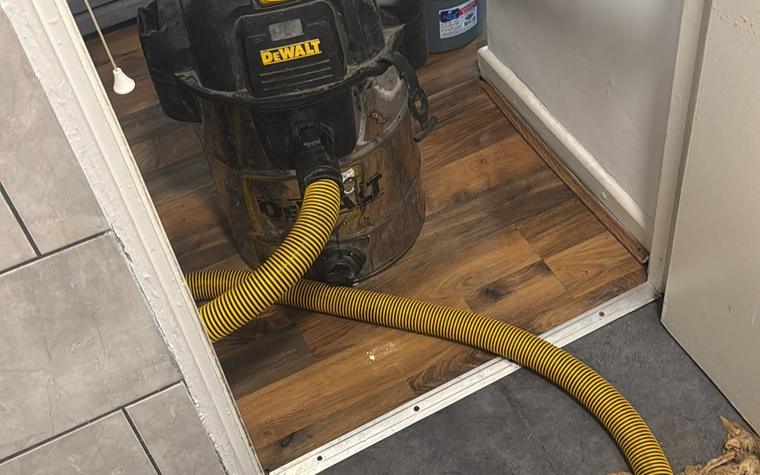
Standing water and silt lifted out, floors left dry.
Read more
Out to you any hour when it will not wait.
Read more
Shops, pubs, offices and lettings kept open and trading.
Read moreAcross Lyndhurst (SO43) it is mostly blocked drains, root ingress, private drainage and soakaways, surveys and repairs, along with the emergency callouts that go with all of it. Lyndhurst sits in and around the Forest with mature trees close to nearly every run, so root ingress through an old joint is routine rather than unusual, and a drain that clears and re-blocks each year is normally telling you exactly that. Every job starts with the covers coming up and a look at which chambers are holding water, rather than a price guessed over the phone.
No. Lyndhurst is about 8 miles from the Southampton base, well inside the daily patch, so travel is in the price and an emergency callout there is a normal run rather than a special trip.
Yes. Lyndhurst is in the Forest, which means trees close to the runs and root ingress as a matter of routine. Ring and we will tell you what we normally find in the drainage around High Street and what your job is likely to involve before anyone gets in the van.
It does, and it is nearly always the trees. Mature trees around Lyndhurst put roots into any joint that is even slightly open, and once root hair is established in a run it catches everything that passes. The tell is a drain that clears easily then blocks again on a similar cycle each year. Jetting with a cutting head restores it, a camera shows you which joint they are entering at, and then it becomes a choice between jetting periodically and repairing the joint.
Yes, and in Lyndhurst it is often the thing worth doing first. The camera runs chamber to chamber with the depth and distance on screen, and you get the recording along with a plain account of what was found and where. That matters when somebody else has to act on it: an insurer, a buyer's solicitor, a landlord or the water company all want evidence rather than a description.
Lyndhurst is around 8 miles from the Southampton base, so an emergency callout there is usually well inside a couple of hours and frequently a good deal quicker. The line is answered at night, at weekends and on bank holidays, and you get a realistic time on the phone rather than an optimistic one.
Call and we will tell you what it is likely to be before we set off.
Send a few details and we will come back with a price. If it is an emergency, ring instead and we will get to you quicker.