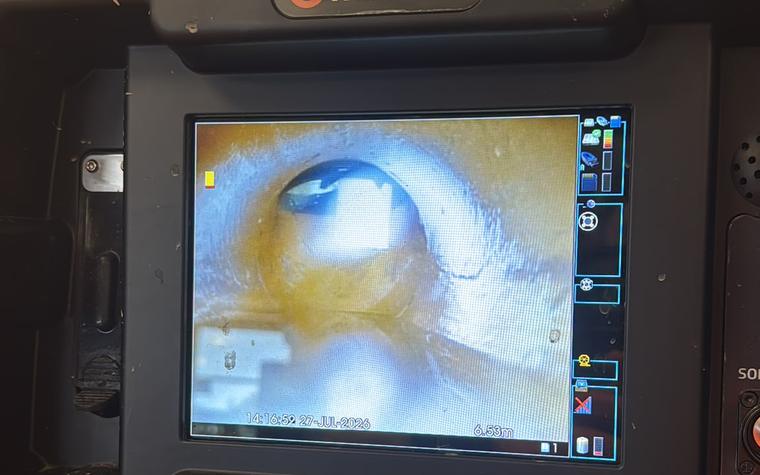
What does a CCTV drain survey show?
Everything the camera can reach: blockages and what caused them, cracks, displaced or open joints, root ingress, collapsed sections, bellies where the pipe has dropped and holds water, and connections that are not where anyone thought they were. It also shows the pipe material and diameter, which matters when a repair is being priced.
How long does a survey take?
A domestic survey of a normal run is usually under an hour on site. Larger commercial systems with multiple runs and chambers take longer, and getting to the chambers can take as long as surveying them if they are under decking or a patio. We will give you a realistic time when you ring, not an optimistic one.
Do I get a copy of the recording?
Yes, that is the point of it. You get the footage along with a plain explanation of what was found and where. If it is for an insurer, a mortgage lender or a solicitor, tell us at the time and we will make sure it is presented in a form they will accept.
Should I get a drain survey before buying a house?
It is worth it on any older property, on anything with mature trees near the run, and on anything where the seller mentions past drainage problems. A survey costs a fraction of a collapsed drain under a driveway, and it is far easier to have the conversation about who pays before you have exchanged rather than after.
Can you survey a drain that is currently blocked?
We can put a camera in, but a run full of standing water and waste shows you very little. Normally we clear it first and then survey, which is also the useful order: the survey then shows the cause rather than the symptom. Both get done in the same visit.